Clients apologize to photographers for the weather more than for anything else, and it is usually the wrong apology. An overcast day in Concord is some of the kindest light a portrait photographer gets all year. Meanwhile the things that genuinely limit a session, a timeline with no slack, a toddler past exhaustion, a venue chosen with no shade at noon, pass without a mention because they do not look like photography problems.
Sorting the myths from the real constraints helps you plan a session or a wedding around what actually matters. Photographers are not being brave when they shrug at clouds. They are remembering the last twenty overcast sessions and how the galleries turned out.
Weather myths, starting with the big one
Bright midday sun is the difficult light, not cloud. Hard sun makes people squint, carves black shadows under eyes, and blows out dresses and shirts. Cloud cover acts like a giant softbox, evening everything out and letting people open their eyes and relax their faces. Photographers schedule around harsh sun when they can, choosing shade, morning or evening, and quietly celebrate a grey forecast for a portrait day.
Rain is a logistics problem, porches, doorways, umbrellas, a studio fallback, and a hair and clothing problem for the people in front of the camera. For the camera itself, moderate rain is manageable and the light during and just after rain is rich and saturated. A downpour with lightning is a reschedule. A passing Carolina shower is usually a pause, a coffee, and then some of the best frames of the session as everything glistens.
Equipment myths: megapixels and magic cameras
Megapixels measure file size, not quality of result. Sharpness in real sessions comes from good light, correct focus, a steady hand or fast shutter, and a lens that resolves detail well. A modest camera in experienced hands, in the right position, will beat an expensive one being pointed hopefully from the wrong place at the wrong moment every Saturday of the year.
Low light does have real limits, and honesty matters here. Professional gear extends those limits enormously, dark churches, evening receptions, night games, but physics still applies. What experience adds is judgment: knowing which frames are achievable, working with venue light instead of fighting it, and communicating in advance when a very dark space needs a lighting plan rather than a promise.
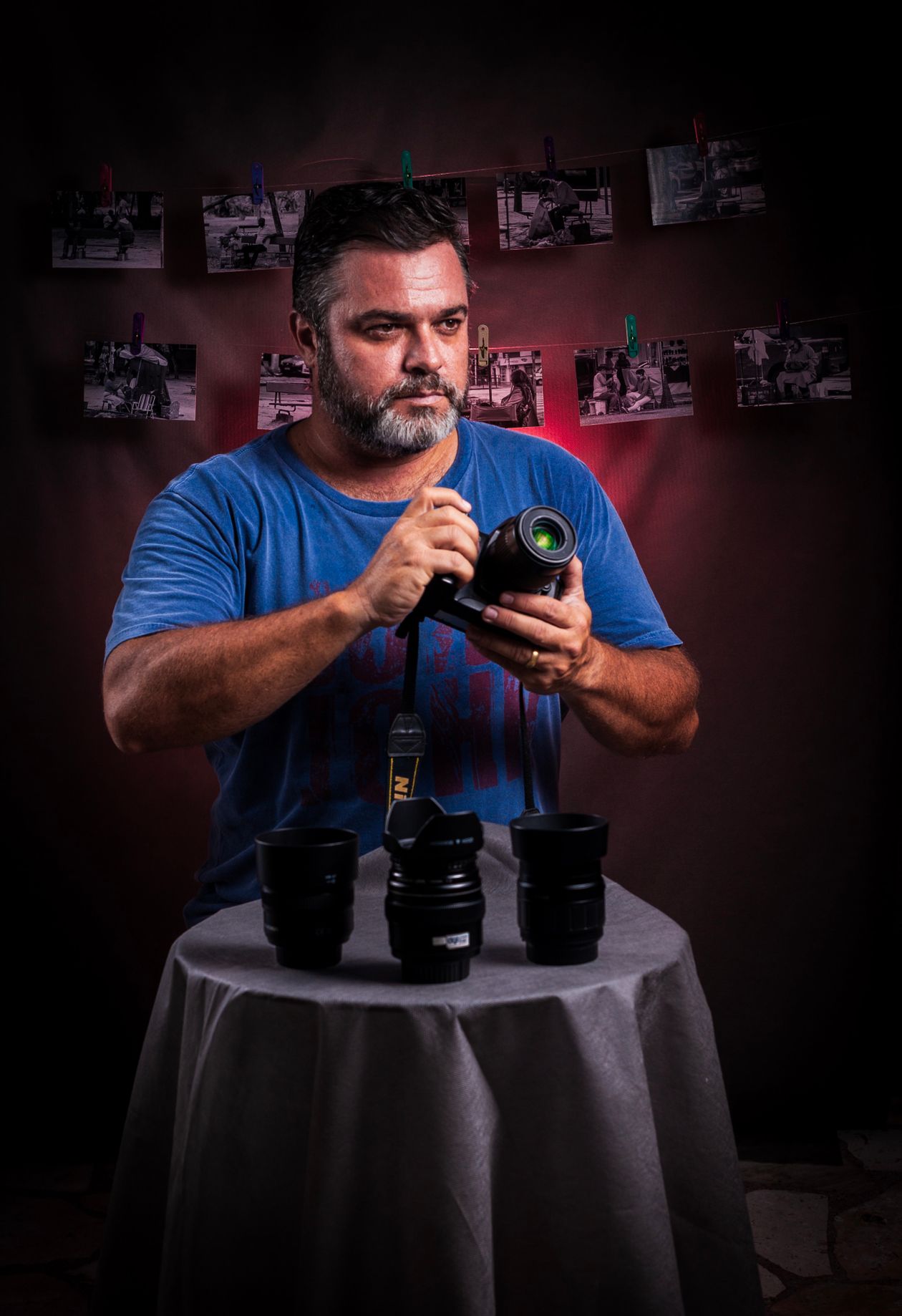
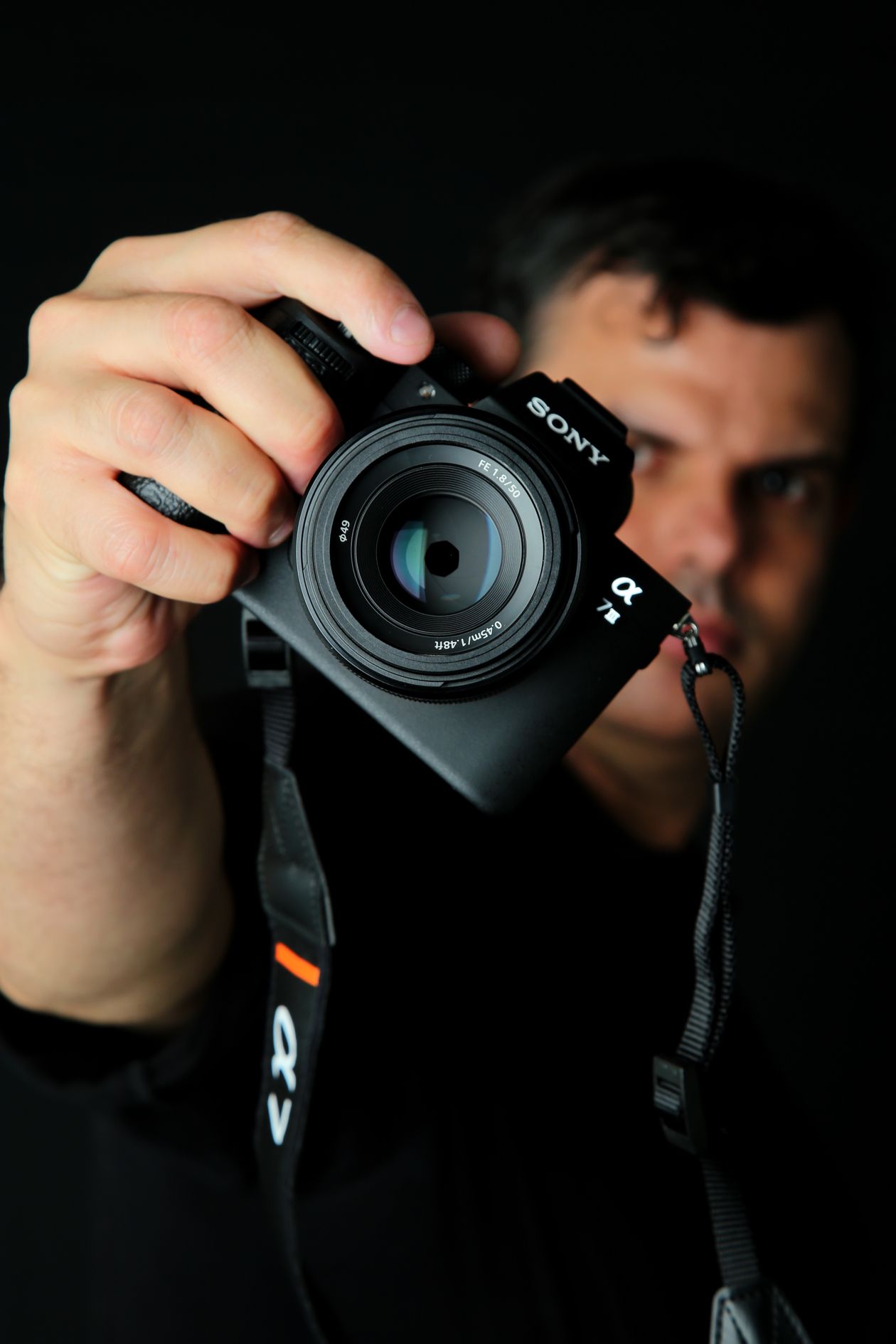
- Overcast skies are soft, flattering light, often better for faces than harsh midday sun
- A little rain changes plans for hair and clothes more than it changes the photography
- Professional cameras and lenses handle low light that defeats phones, within honest limits
- Candid frames between poses are part of the plan, not accidents to be deleted
- More megapixels do not fix blur, bad timing or a subject lit badly
- The best camera on the day is the one whose limits the photographer knows completely
People myths: posing, candids and being photogenic
Almost everyone believes they are not photogenic, and almost everyone is wrong in the same specific way: they are judging themselves on unflattering phone photos taken at arm's length in bad light. A professional session changes the light, the lens, the angle and the direction, at which point the supposedly unphotogenic face turns out to photograph perfectly well. What people call photogenic is mostly being relaxed, and relaxing is a skill the photographer is there to coach.
Candids are not the opposite of posed work. Good galleries are built from both, posed frames that guarantee everyone is present and looking well, and the in between frames those poses generate, the laugh after, the glance across. Expect a photographer to direct more than you expected and to shoot more than you noticed. That combination, structure plus looseness, is the job, whether the setting is a downtown Concord studio or a field at golden hour.
The myth worth dropping last is that a good session should feel effortless and unplanned. The relaxed galleries people admire are usually the most prepared ones of all: locations scouted, light timed, children fed, lists written, backups packed. What looks like ease on the day is preparation done earlier by both sides. Meet your photographer halfway on that preparation and the myths stop mattering, because almost any weather, room or camera can produce honest, handsome photographs on a well planned day.
Common questions
Should we reschedule if the forecast says cloudy?
No. Overcast light is flattering for portraits and easier on everyone's eyes. Rescheduling is for heavy rain, storms or dangerous weather.
Can photos still work in a dark venue?
Usually yes, within limits. Tell your photographer about the space in advance so lighting and expectations are planned rather than improvised.
We hate posing. Can we still get good portraits?
Yes. Direction in a professional session is light and constant, and much of the best work happens in movement and in between formal poses.
Photos in this guide are representative stock images.
← All guides from Michael A Anderson Photography← Back to Michael A Anderson Photography