Most small businesses in Concord live on a handful of tired photos: a phone shot of the storefront from the car park, a staff picture missing two people who left in spring, and product images borrowed from a supplier. Then a website redesign or a slow season arrives and the business discovers it has almost nothing true and current to show the customers deciding between it and a competitor.
A half day of commercial photography, planned properly, fixes that for a year. The difference between a useful library and an expensive afternoon is a shot list, a prepared space, and a clear agreement about where the images will be used, all decided before anyone picks up a camera.
Start with where the photos will work
A website hero image is wide, calm and leaves room for text. A social post is vertical, close and immediate. A press photo needs context and people. List those uses before the shoot and the photographer can frame for each deliberately, instead of cropping one horizontal image into five compromised versions afterward. Google listings, menus, job posts and local paper coverage around Cabarrus County all reward real, named, local photography over stock.
People are the priority category most businesses undervalue. Customers choose a dentist, a salon, a repair shop or a restaurant partly on the faces they will meet. Current headshots and a few honest working shots, your team doing the actual job in the actual space, convert better than any amount of polished product photography shot somewhere else.
Preparing people and place
Declutter like a guest is coming, because one is, carrying a camera that notices everything: the stacked boxes, the dead plant, the notice board from two Christmases ago. Staff should know the plan, wear what they wear on a good working day, cleaned and pressed, and know roughly when they are needed so nobody is pulled from a customer mid service for a portrait.
Products and food need their own preparation. Best examples, not average ones, should be set aside and kept pristine. For a restaurant or maker, shoot the process as well as the finished article: hands at work, tools, ingredients, the machine that only your business has. Process photography is hard for competitors to copy and easy for customers to trust, because it shows the thing itself rather than a claim about it.
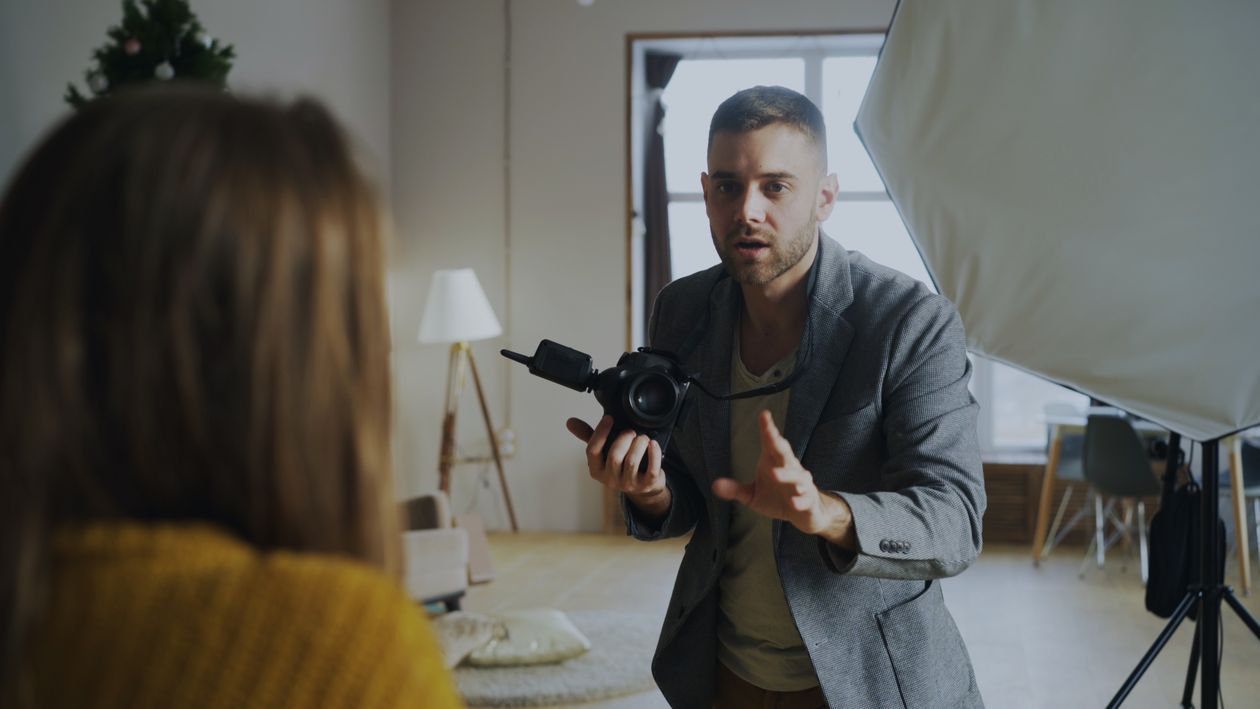
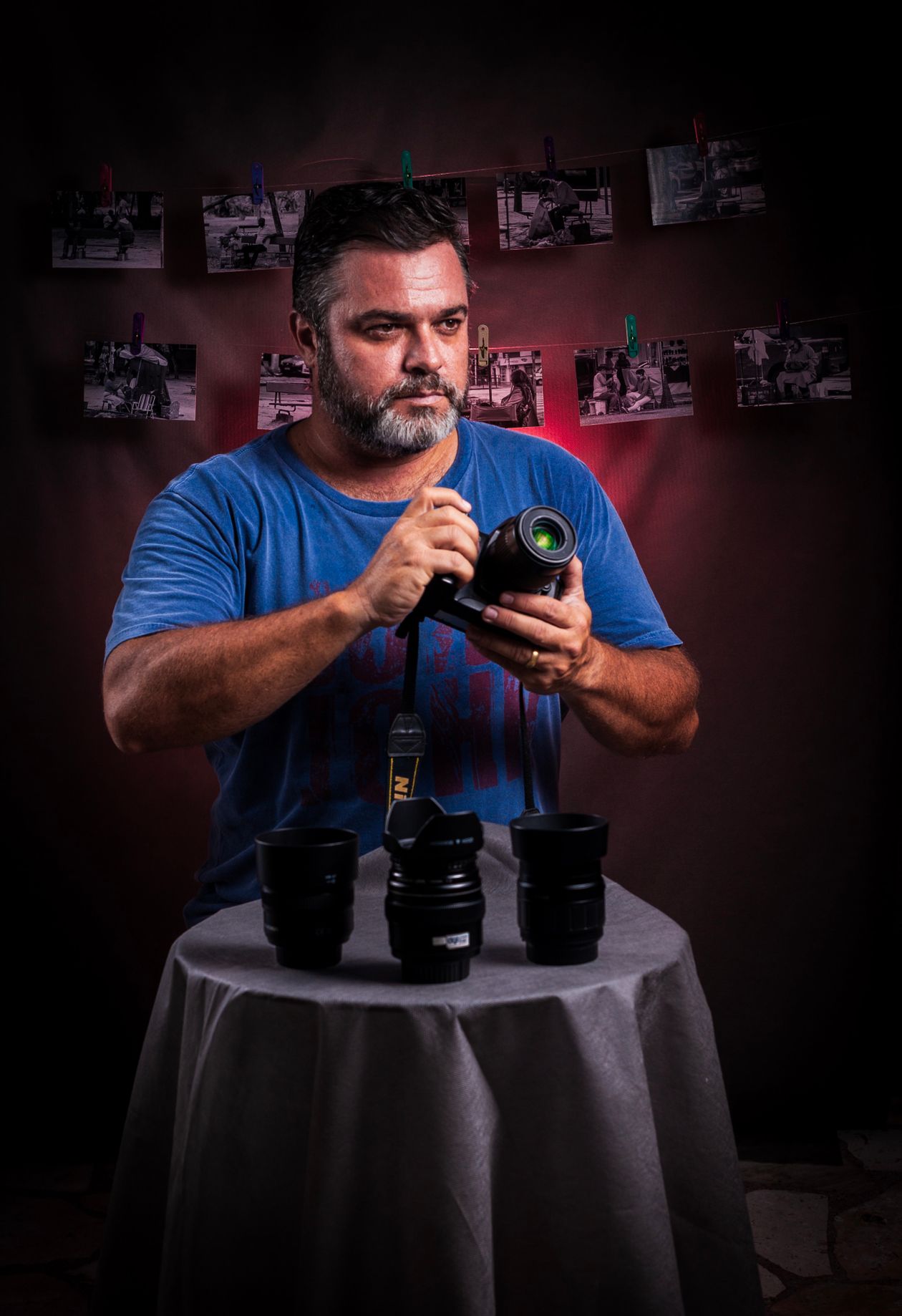
- Define where the images will work. Website hero, menu, social posts, press and listings each need different shapes, sizes and moods.
- Build a shot list together. People, products, process and place, in priority order, so the essential frames are never the ones missed.
- Prepare the space and the people. Clean, declutter, steam the shirts, and brief staff so nobody is surprised by a camera at work.
- Shoot wider than you think. Extra context frames give you a library for months of posts, not just one perfect hero image.
- Plan the refresh. Seasonal and annual reshoots keep a business looking current as staff, menus and spaces change.
Rights, files and the refresh cycle
Agree usage in plain language before the shoot: where you may use the images, for how long, and whether the photographer may show them in a portfolio. Get files in the sizes you need, web ready and print ready, named clearly and backed up in two places, because the most common commercial photography disaster is not a bad shoot but a lost folder two years later.
Finally, plan the refresh while the first shoot is fresh in your mind. Staff change, spaces get renovated, menus turn with the seasons. A short annual session that updates what changed keeps a library honest. Businesses in Concord that treat photography as a small yearly maintenance item never face the full rebuild that businesses which ignore it for five years eventually pay for.
Do not overlook the unglamorous shots while the photographer is with you. The front door from the street, the parking side a first time customer actually sees, the counter where orders happen, a close shot of hands packaging an order: these orientation images do daily work on listings and directions pages that glamorous hero shots cannot. Customers use them to recognize your business on arrival, and recognition at the moment of arrival is worth more than most advertising a small business ever buys.
Common questions
How long does a small business shoot take?
A focused half day covers most single location businesses: headshots, space, products and process. Larger sites or multiple locations need a full day or two visits.
Should staff be photographed if they are camera shy?
Brief, well directed portraits settle most people in minutes. Working shots, hands and profiles, are a comfortable alternative for anyone who dreads facing the camera.
Can we use the photos everywhere, forever?
Usage depends on your agreement with the photographer. Settle websites, social, print and advertising use in writing before the shoot so there are no surprises.
Photos in this guide are representative stock images.
← All guides from Michael A Anderson Photography← Back to Michael A Anderson Photography